
Territorial Cat Behavior Towards Humans: What’s Really Going On

I didn’t really understand what “territorial cat behavior towards humans” meant until my own cat started treating my living room like a security checkpoint. One minute she’d curl up on my lap like a sweet angel… and the next she’d be stalking my guests like they owed her rent.
If you’ve ever felt that shift in your cat’s energy when someone walks into your home, you’re not imagining it. And you’re definitely not alone.
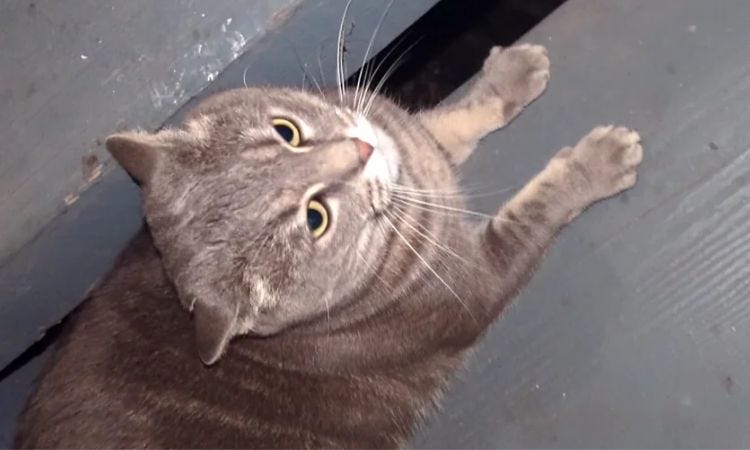
When Your Cat Loves You… But Not Your Guests
One of the most confusing things about territorial cat behavior towards humans is how selective it can be. A cat can be affectionate, social, even clingy with you—then suddenly turn tense or reactive when someone else enters the space.
I’ve seen this most often in cats who are deeply bonded to one person and see the home itself as part of their “managed territory.” A visitor isn’t just a stranger—they’re an unpredictable disruption.
A typical scenario looks like this:
Your cat greets your friend at first. Sniffs, maybe even rubs against their legs. Everything seems fine. Then 10–20 minutes later, something shifts. The ears go back, the body stiffens, and suddenly there’s stalking behavior or a warning swat near the hallway.
That switch is usually not “random.” It’s escalation after observation. Cats are constantly scanning for changes in tone, movement, scent, and proximity.
Common triggers include:
Unfamiliar voices or fast movements in small spaces
Guests entering “key zones” like hallways or your spot on the couch
Overstimulation after initial curiosity
Feeling blocked from retreat routes or high resting spots
This is where territorial cat behavior towards humans becomes more obvious—it’s less about the person and more about control of space.
Why Your Cat Reacts This Way (It’s Not Personal)
A big misunderstanding is thinking the cat is being “mean” or “dominant.” In reality, most territorial responses come from stress, insecurity, or over-arousal.
From a behavior standpoint, there are a few root causes worth understanding:
First, environmental disruption plays a huge role. Even small changes—like rearranging furniture, new roommates, or frequent visitors—can make a cat feel like its map of the home is constantly changing. Cats rely heavily on predictability.
Second, lack of early social exposure matters. Cats that weren’t gradually introduced to different people during kittenhood often interpret unfamiliar humans as “unknown variables” rather than normal guests.
Third, redirected frustration is surprisingly common. A cat might see a stray outside the window, get emotionally activated, and then redirect that tension onto the nearest moving target indoors. That target is often a human walking by.
And finally, we can’t ignore health. Any discussion about territorial cat behavior towards humans has to include a medical angle. Pain from arthritis, urinary discomfort, dental disease, or internal inflammation can lower tolerance and make normal interactions feel overwhelming.
I once worked with a cat owner who thought their cat “hated visitors.” Turns out the cat had early-stage dental pain. After treatment, the behavior reduced dramatically without any major training changes.
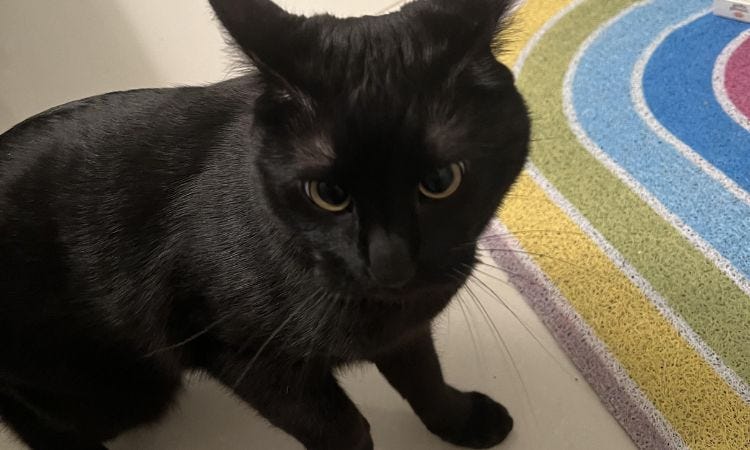
What Actually Helps (Real-World Solutions That Work)
The good news is that this behavior can be managed in most cases without punishment or force. The key is structure, environment, and emotional redirection.
Here’s what actually makes a difference:
Give your cat vertical control of the space
Cat trees, shelves, and window perches allow your cat to observe without feeling trapped. When cats can “watch from above,” they feel less need to defend ground-level territory.Create predictable guest routines
Before guests arrive, give your cat access to a safe room with food, water, litter box, and a hiding spot. This removes pressure from social overload situations.Don’t punish warning signals
Hissing, staring, or swatting are not “bad behavior”—they’re communication. Punishing them often increases fear and intensifies territorial cat behavior towards humans over time.Redirect energy before escalation
Wand toys work surprisingly well. If your cat starts pacing or blocking hallways, redirecting into play can interrupt the buildup phase before aggression appears.
There’s also a strong enrichment factor here. Cats that are mentally engaged throughout the day—through rotation toys, scent stimulation, and interactive play—tend to show less reactive territorial guarding overall.
This overlaps with broader pet anxiety and feline stress patterns, which is why behaviorists often treat environment before anything else.
The Guest Problem Nobody Talks About
Let’s be honest—most of us don’t train our guests. And that’s where things often fall apart.
I learned this the hard way when a friend walked straight into my apartment, made eye contact with my cat, and tried to pick her up within five minutes. That was all it took to trigger a full defensive spiral that lasted the rest of the night.
Now I do things differently.
I tell guests:
Don’t stare directly at the cat
Don’t reach out first
Let the cat initiate contact
Move slowly and predictably
Offer treats by gently placing them nearby instead of forcing hand feeding
This alone changed everything. My cat still observes new people carefully, but the intensity dropped significantly once she learned visitors weren’t going to invade her space.
Over time, this reduces territorial cat behavior towards humans because the cat starts associating guests with neutrality—or even positive outcomes—instead of intrusion.
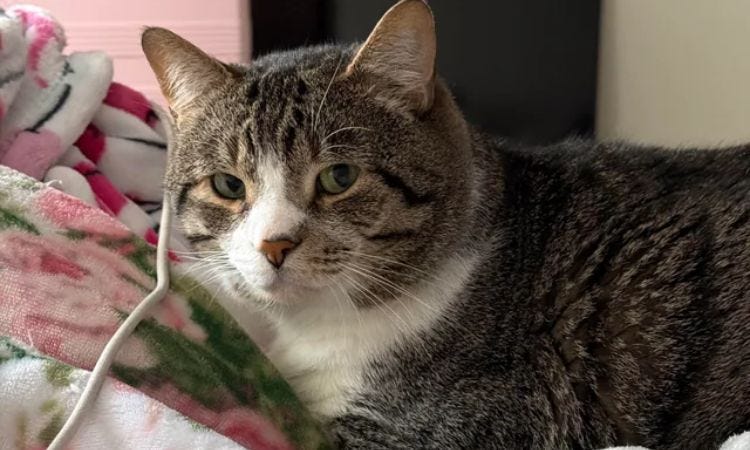
When Behavior Changes Start to Stick
Here’s what most people don’t realize: improvement isn’t linear. You might see calm behavior one day and guarding behavior the next. That doesn’t mean the approach isn’t working.
What matters is trend direction over weeks, not moments.
If you combine:
environmental control
predictable guest interactions
consistent enrichment
and respect for warning signals
…you’re essentially retraining how your cat interprets human presence in its territory.
This is also why veterinarians often recommend combining behavior modification with calming tools like pheromone diffusers or, in some cases, short-term medication for anxiety support. It’s not about sedating the cat—it’s about lowering baseline stress so learning can actually happen.
Final Thoughts
Living with territorial cat behavior towards humans can feel frustrating at first, especially when your cat seems loving one moment and defensive the next. But once you understand what’s driving it, the pattern becomes a lot clearer—and far more manageable.
Most of the time, your cat isn’t rejecting people. It’s trying to maintain a sense of safety in a world that feels temporarily unpredictable.
If you want a deeper breakdown of how to structure your home and reduce these reactions long-term, I put together a full guide here:
The goal isn’t to change your cat’s personality. It’s to help them feel like they don’t need to defend the space they already call home.